
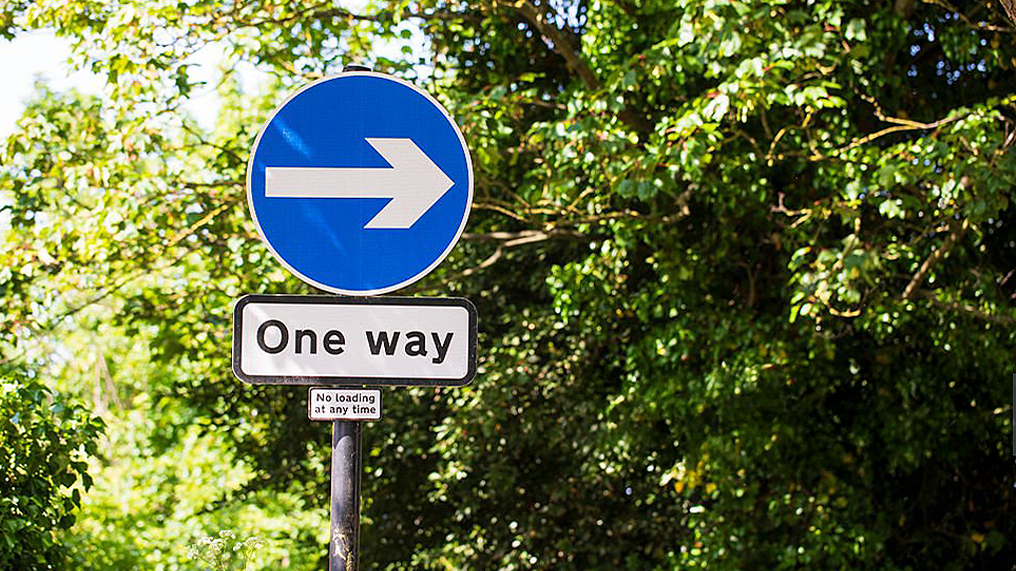
Road signs convey a huge amount of information quickly and clearly, so drivers can understand and navigate the road ahead safely.
They cover everything from speed limits to directions, instructions, hazards, and right of way – so if you’re about to set off on a drive, it’s vital that you understand.
Would you pass a driving theory test?
Road signs form a key part of driving theory tests – so anyone who passes this test should be confident that they understand the road signs presented to them.
But do they? Recent research suggests that a large proportion of UK motorists would struggle to pass today’s theory test, with one study claiming that as many as 95% could fail if they sat it today.
The research also revealed that age can affect how well you know the rules of the road, with 10% of those classed as Gen Z (aged 18 to 28) successfully passing a mock test, followed by Millennials (9%), Gen X (3%) and Boomers (2%)
This result is less surprising when you consider that the driving theory test wasn’t introduced in the UK until July 1996 – meaning that many older drivers would’ve been awarded their licence based on passing a practical test alone.
Get better at understanding road signs
If you want to see if you’d pass or fail a driving theory test, which includes correctly identifying road signs as well as understanding other rules of the road, the DVSA (Driver & Vehicle Standards Agency) has a free online practice test that you can try.
It’s also important to recognise that rules and guidance are often changing. To stay updated, you should always refer to the latest version of The Highway Code.
A quick guide to road signs
Want to brush up on your knowledge before you sit the test?
We’ve put together a quick refresher to give you an overview of some of the most common signs you’re likely to see on UK roads.
Please note, this list isn’t intended as a comprehensive guide. For a full list of road signs, we recommend you consult The Highway Code.
Red circles
- Signs with a red border (usually circular) show prohibitions or restrictions, such as maximum speed limits or banned manoeuvres.
- For example, maximum speed limits are usually displayed in a red circle with the maximum speed in miles per hour. This same red circle design is also used to indicate when something is prohibited – such as no cycling (a bike inside a red circle) or no overtaking (two cars inside a red circle).
Blue circles
- Blue circular signs give mandatory instructions that drivers must follow, such as turning left or keeping right.
Red triangles
- A sign displayed in a red triangle usually warns the driver, such as a row of cars indicating there may be queueing traffic ahead.
- One important exception is the Give Way sign, which is displayed inside an inverted triangle with a red border to show when a driver needs to give way.
Rectangles
- If a sign gives a direction or the number of miles you are from a certain destination, it will usually be rectangular.
- The colour of the sign will depend on where it’s located, with large blue rectangles used on Motorways, green rectangles used on primary roads and white rectangles with black borders typically seen on smaller roads.
- Brown rectangles are often used to indicate the location of tourist attractions or sites of specific interest, such as castles.
Brush up on the basics
Even if you don't know every sign by heart, being familiar with the basics can make you a safer, more confident driver - and could help you avoid costly mistakes.


