
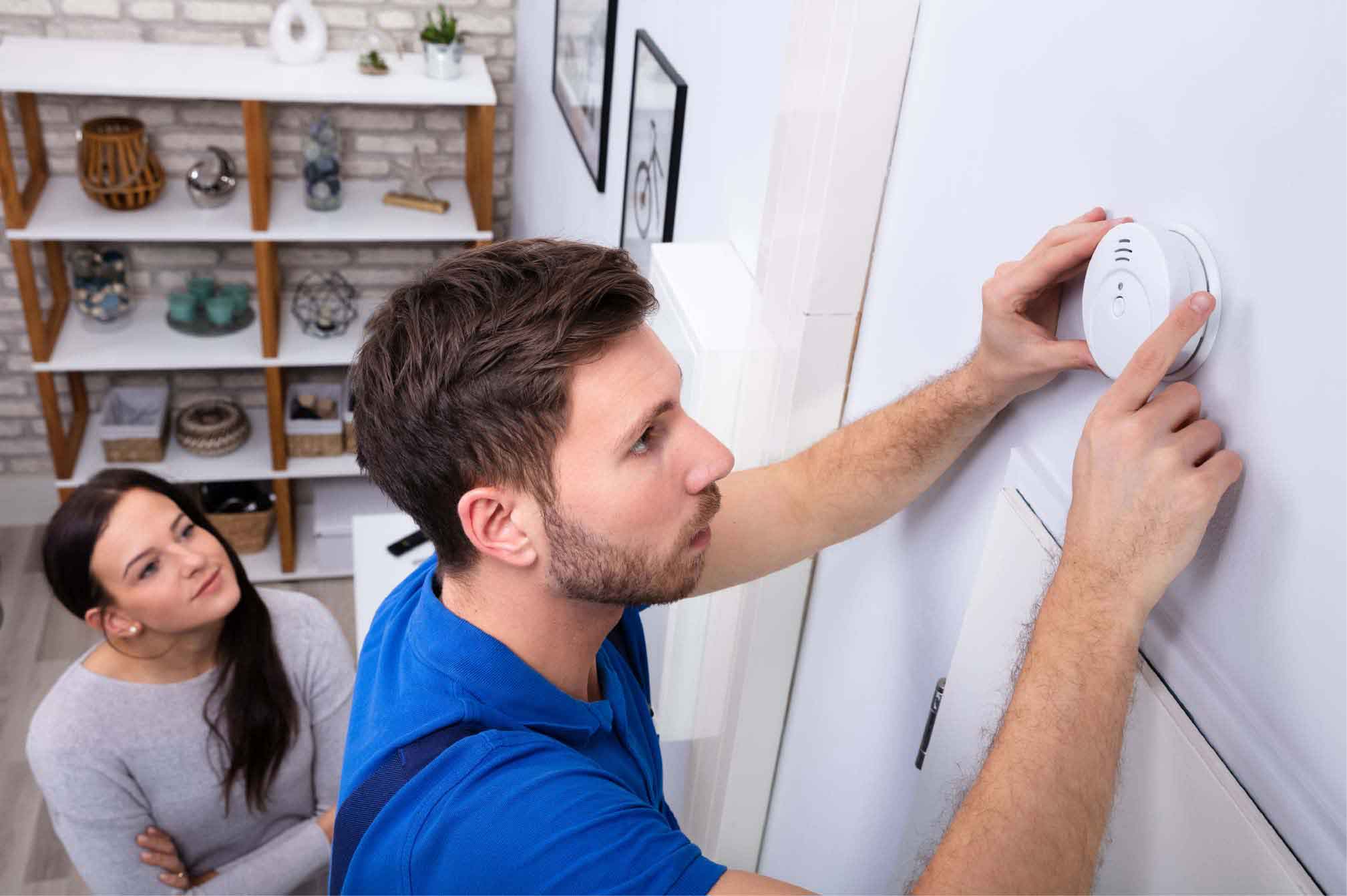
Carbon monoxide is often called the ‘silent killer’ because it’s odourless, tasteless and invisible. This makes it very hard to detect.
If you have any gas or solid fuel appliances in your home, it’s important to know the risks and signs of carbon monoxide poisoning.
What does carbon monoxide do to your body?
The NHS breaks this down nicely.
Your blood carries oxygen using a protein called haemoglobin — it’s what keeps your organs working and your body oxygenated.
Carbon monoxide interferes with this process. When inhaled, it binds to haemoglobin more strongly than oxygen does. Oxygen is then blocked from reaching your body’s tissues, and your cells begin to fail.
At high concentrations, carbon monoxide can cause serious illness very quickly.
What should you look out for?
It’s easy to overlook early symptoms, which is why carbon monoxide is so dangerous.
According to the NHS, main symptoms include:
- a headache
- dizziness
- feeling sick or being sick
- feeling weak
- tiredness and confusion
- chest and muscle pain
- shortness of breath
- your face turning hot and red (flushing) – but redness may be harder to see on brown and black skin
- loss of vision
The longer you’re exposed, the more unwell you could become. Symptoms may improve when you leave an affected room or building and worsen when you return. In serious cases, it can lead to unconsciousness, lasting organ damage, and death.
If you think you might be suffering from carbon monoxide poisoning, leave your property immediately and get medical help.
What to do if you suspect a carbon monoxide leak
Act quickly if you think there may be carbon monoxide in your home:
- Stop using any appliance you think may be producing carbon monoxide, if it is safe to do so.
- Get everyone outside into fresh air.
- Do not go back into the building until you have received professional advice.
- Call NHS 111 if you think you or someone else may have symptoms of carbon monoxide poisoning.
- If you think a gas appliance is leaking carbon monoxide, call the National Gas Emergency Helpline on 0800 111 999.
- Arrange for the appliance to be checked by a suitably qualified engineer before using it again.
Call 999 or go to A&E if someone is struggling to breathe, suddenly confused, unconscious, weak, or experiencing chest or muscle pain. Do not drive yourself to A&E.
What are common causes of carbon monoxide in the home?
Carbon monoxide is produced when fuel doesn’t burn properly. In the home, this is often caused by:
- Faulty or poorly maintained gas appliances
- Blocked or damaged chimneys
- Improperly ventilated stoves or fires
Appliances that can produce carbon monoxide include:
- Boilers
- Gas fires
- Central heating systems
- Water heaters
- Cookers
- Open fires
Other everyday sources include charcoal burners, cigarette smoke and car exhaust fumes.
Why do carbon monoxide alarms matter?
A working carbon monoxide alarm can provide an important early warning of a possible leak. They monitor the air, and if dangerous levels of carbon monoxide are detected, they sound an alarm. This gives you time to get out of the house and call for help.
If you want advice on which alarm to buy, Which? has a roundup of the best available.
If you rent your home in England, your landlord may be legally required to ensure that a carbon monoxide alarm is installed in any room used as living accommodation that contains a fixed combustion appliance, excluding gas cookers. Relevant landlords must also repair or replace an alarm once they have been informed and it has been found to be faulty. Check the GOV.UK guidance to see how the rules apply to your tenancy.
Where should you put your carbon monoxide alarm?
Good question. For the best protection you should:
- Install a detector in every room with a fuel‑burning appliance
- Install and position each alarm in accordance with the manufacturer’s instructions
- Avoid placing it directly above heat or steam sources
- A portable detector can also be useful when travelling or staying elsewhere
Are there any simple checks you can do yourself?
Possible signs that a gas appliance is not working correctly include:
- A floppy yellow or orange flame instead of a crisp blue flame
- Dark or sooty staining on or around an appliance
- Increased condensation inside windows
- A boiler pilot light that repeatedly goes out
If you notice any of these signs, stop using the appliance and have it checked by a Gas Safe registered engineer. Do not rely on visual signs alone, as carbon monoxide cannot be seen, smelled or tasted.
Carbon monoxide needs to be taken seriously
Carbon monoxide poisoning gives very little warning and that’s what makes it so dangerous.
So, if you think there’s a problem, act fast!


