

When it comes to home insurance, the concept of wear and tear is very important.
It refers to the normal, gradual deterioration that happens to an item or property through everyday, ordinary use. It’s the kind of damage that naturally occurs over time without misuse, neglect, or accidents. It isn’t sudden, and it isn’t caused by an accident.
Examples of wear and tear include:
- Bathroom sealant becoming brittle or discoloured
- Carpets thinning in busy areas
- Tiles or guttering ageing over time
Why wear and tear matters
Home insurance won’t cover wear and tear
Home insurance is designed to cover unexpected events, such as storms, fires, or water damage. Gradual deterioration isn’t included as it’s part of general home upkeep.
Poor maintenance can lead to claims being declined
If damage happens because something hasn’t been maintained (like failed sealant leading to a slow leak) it may affect whether a claim can be paid.
Good home maintenance helps prevent problems
Simple, regular checks help stop small issues from growing into bigger ones, giving you more confidence that your home is protected.
Common signs of wear and tear
What to look out for in the bathroom:
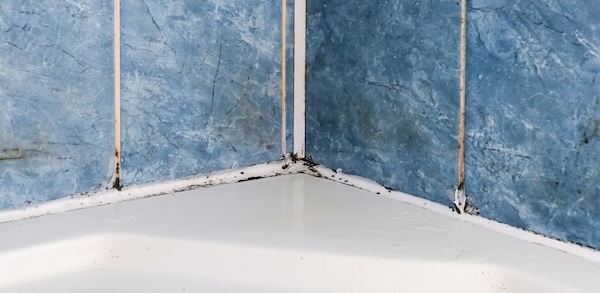
- Musty smells or damp patches
- Cracked or lifting grout/sealant
- Mould around corners or tiles
What you can do about it: Check grouting and sealant and replace it if needed. Make sure the bathroom is well-ventilated, too. If you have a bathroom extractor fan, you could extend the timer. You could also think about getting a dehumidifier, which removes moisture from the air and can help prevent damp and mould.
What to look out for in the kitchen
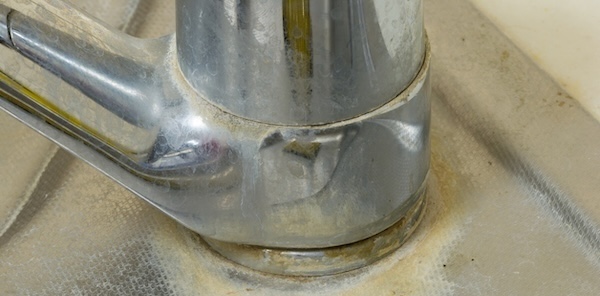
- Dripping taps
- Splitting sealant around sinks or worktops
- Damp patches that develop gradually
What you can do about it: These problems crop up because sealants degrade over time and everyday use can loosen joints. Keep an eye on them and act straight away if you see any drips, damp or discolouration.
What to look out for in the living room
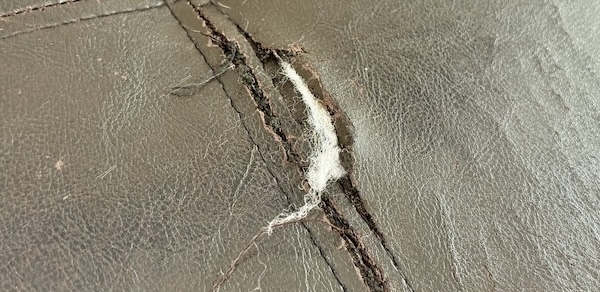
- Sofas and cushions losing their firmness, especially in the spots that people fight over.
- Scratches on wooden or laminate floors
- Faded carpets or curtains
What you can do about it: Carpets and floors will wear down with use, but you can slow wear and tear by putting down rugs, using felt pads under furniture, and adding throws to sofas.
What to look out for on the roof
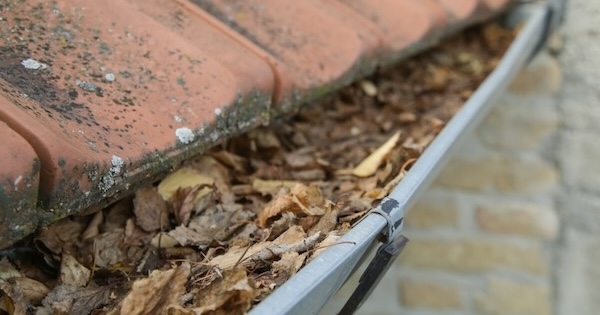
- Loose or slipped tiles
- Damp marks on ceilings
- Overflowing gutters
What you can do about it: Inspect your roof tiles (from ground level) and have your gutters cleaned to stop water from overflowing. You can’t stop the weather, but remaining attentive will mean ageing materials, loose tiles and blocked guttering are less likely to lead to big problems.
What you might notice outside
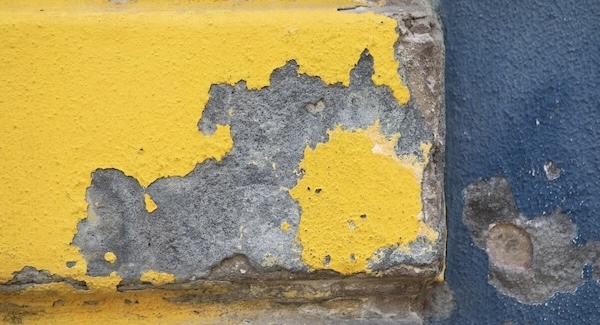
- Cracked or worn mortar, walls and brickwork
- Damp on internal walls coming from outside
- Peeling paint or rotting woodwork
What you can do about it: Like wear and tear on the roof, external walls and surfaces will naturally degrade over time. Regularly inspecting the outside of your property, sealing any cracks that appear, and protecting exterior surfaces will keep things in good condition for longer.
Home maintenance checklist
As we've said, wear and tear will always happen, but staying on top of some key jobs throughout the year can reduce the chances of a nasty surprise.
Monthly home checks
- Test your smoke and carbon monoxide alarms: obviously essential for safety, as well as for general upkeep
- Check the sealant and grouting around tiles, sinks, toilets and worktops
- Look out for early signs of a leak. That means things like discolouration on the walls or flooring, or even your boiler pressure acting up.
Spring home checks
- Inspect your roof from ground level. Any loose tiles? Anything that doesn’t look right?
- Check your brickwork and mortar.
- Autumn and winter can wreak havoc on gutters. Make sure yours are cleaned out and in good condition.
Summer home checks
- Give exterior woodwork a touch of paint or coat of sealant if it’s needed.
- Trim any trees and branches that are close to your home. This will reduce the chances of damage during bad weather later in the year.
Autumn home checks
- Another chance to clear fallen leaves from gutters and drains
- Check the seals around windows and doors before the temperature starts to drop
- Cover any outdoor taps
- Bleed your radiators
Annual home checks
- Service your boiler. Remember to book in early so your plumber’s diary isn’t full when you call.
- Maintain your water tank (if you have one).
Wear and tear FAQs
Q1. What’s the difference between wear and tear and accidental damage?
Wear and tear happens over time through ageing or regular everyday use - think of carpets being worn down or lovely flooring collecting scratches as family members come and go.
Meanwhile, accidental damage is unintentional physical damage that happens because of a single incident (like knocking over and breaking a TV). If something just stops working with no obvious physical damage, it’s usually a mechanical or electrical fault rather than accidental damage.
Q2. Would a broken appliance be covered?
If an appliance like a washing machine or TV stops working out of the blue and there’s no physical damage, it usually won’t be covered under home insurance. In most cases, the manufacturer is the best place to start for help. However, if it stops working because of an accident, then you might be able to claim, provided your policy includes accidental damage cover.
Q3. How can I tell if damage is sudden or gradual?
Sudden damage happens quickly. If it crept up on you, it’s more likely to be gradual. Gradual damage builds up over a longer period; that could be days, weeks or months. It’s possible that a problem caused by gradual damage can appear quickly, but has been happening in the background (think of a leaking pipe that leads to a damp patch).
Q4. Where does wear and tear usually appear?
It usually becomes obvious where there’s heavy everyday use, water use or exposure to weather. Common places to find wear and tear include external walls and brickwork, roofs and gutters, kitchens and bathrooms. Contents like appliances, carpets, curtains and furniture can also deteriorate over time.
Q5. Does maintaining my home make a difference to insurance claims?
Staying on top of home maintenance can help stop small issues from getting bigger. You should also make sure you read your home insurance policy documents so that you understand what kind of maintenance is expected of you.
Q6. What should I do if I notice damp or a leak?
The first thing to do, is stop the water. If it’s safe to do so, turn off the stopcock and then take other steps to reduce damage; for example, mopping-up water and ventilating the rooms to help dry things.
Q7. What should I do if I don’t know what caused the damage?
This can happen, particularly when it comes to leaks or issues that you only notice once a damp patch or stain appears. A good first step is to think about whether it appeared suddenly or grew over time. If there’s any obvious damage, take photos, and note down when you first spotted it.
Other useful information
Why you should check the electrical appliances in your home
What you should do if there’s a leak in your home


