
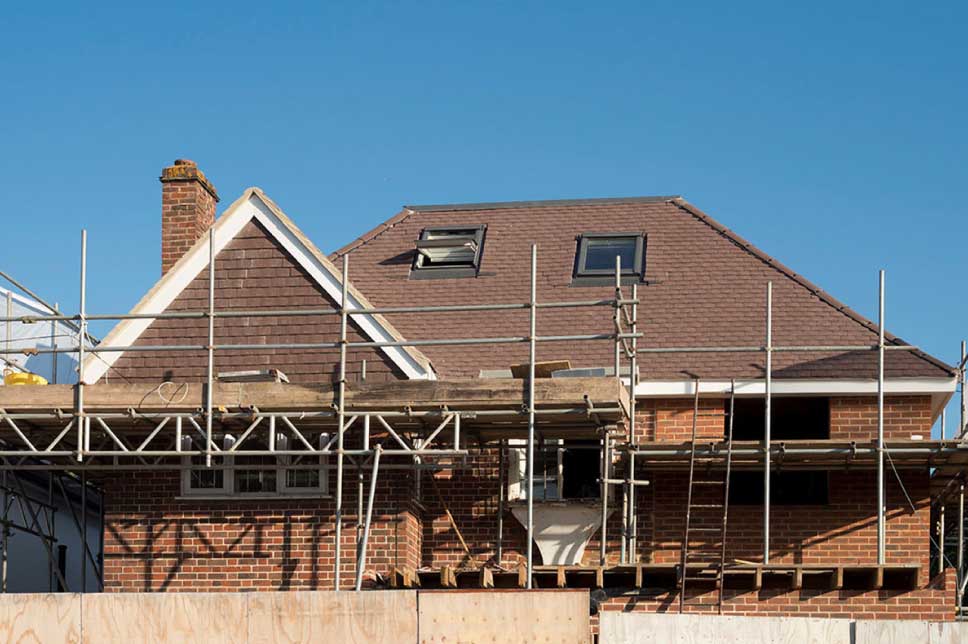
Our research shows over 1.7 million homes in England and Wales have an official Improvement Indicator. This means, as many as 1 in 15 properties have undergone significant home improvements, such as loft conversions or extensions.
But why are so many homeowners choosing to upgrade their existing homes, rather than moving?
Why are people deciding to improve their homes?
1. Stress
Is there anything more stressful than moving?
Packing, exchange dates, arranging viewings and keeping your house immaculate are just some of the things you need to juggle. And throughout the whole process, you’re praying the chain doesn’t fall through.
2. Sentimental value
Don’t underestimate the emotional connection you can have with your house. A home can be filled with memories that are hard leave behind.
3. Neighbours
Good (or bad) neighbours can make or break a home. Bad ones can make life difficult with issues like boundary disputes and noise complaints.
However, good ones can be hard to leave. Knowing someone will look out for your house when you’re on holiday or lend you some sugar if you run out, can be invaluable.
4. Cost
Of course, moving is expensive. Stamp duty, deposits, solicitor’s fees and surveys can quickly add up. It may be a case of weighing up what is more cost-effective – moving or staying put and renovating.
5. Location
Location is key. Living near transport links, schools, shops and parks can increase the value of your home. It can also make it hard to leave the area.
The cost of making improvements to your home
If you decide to renovate, you must think carefully about your finances. Projects can often take longer than expected – with a six-month extension sometimes stretching into ten.
If you decide to renovate, there are a few important steps to take:
- Inform your insurance provider before work begins
- Check the Government’s Planning Portal
- Consult your Local Planning Authority
- You don’t always need planning permission. Smaller projects – such as some extensions, loft conversions and garage conversions – may fall under permitted development rights.
If you’re unsure, you can apply for a Lawful Development Certificate to confirm whether your project requires planning permission.
Why might it be better to move?
Sometimes you simply outgrow your home. Your family may have expanded, and you’d like the children to have their own bedrooms. Or perhaps you want a bigger garden for the dog or a safer space for the kids to play. On the other hand, some people choose to downsize when children move out, and the house begins to feel too large or underused.
Extending your current home isn’t always possible. You may not have the space for an extension, or your local council might refuse planning permission. In these cases, moving to a property that already meets your needs can save significant time, money, and stress.
Problematic neighbours can also be a deciding factor. Issues like frequent noise or ongoing disputes may seem manageable at first, but they can become draining – especially if things get tense over time.
Location is another key consideration. Limited access to schools, amenities, or transport links can make daily life more difficult. For example, your daily commute into London can become a real slog if it takes three buses and two trains to get into the office.
Ultimately, the decision to move or improve is a personal one. But remember, whether you choose to stay and renovate or start fresh somewhere new, make sure your home insurance is up to date.


