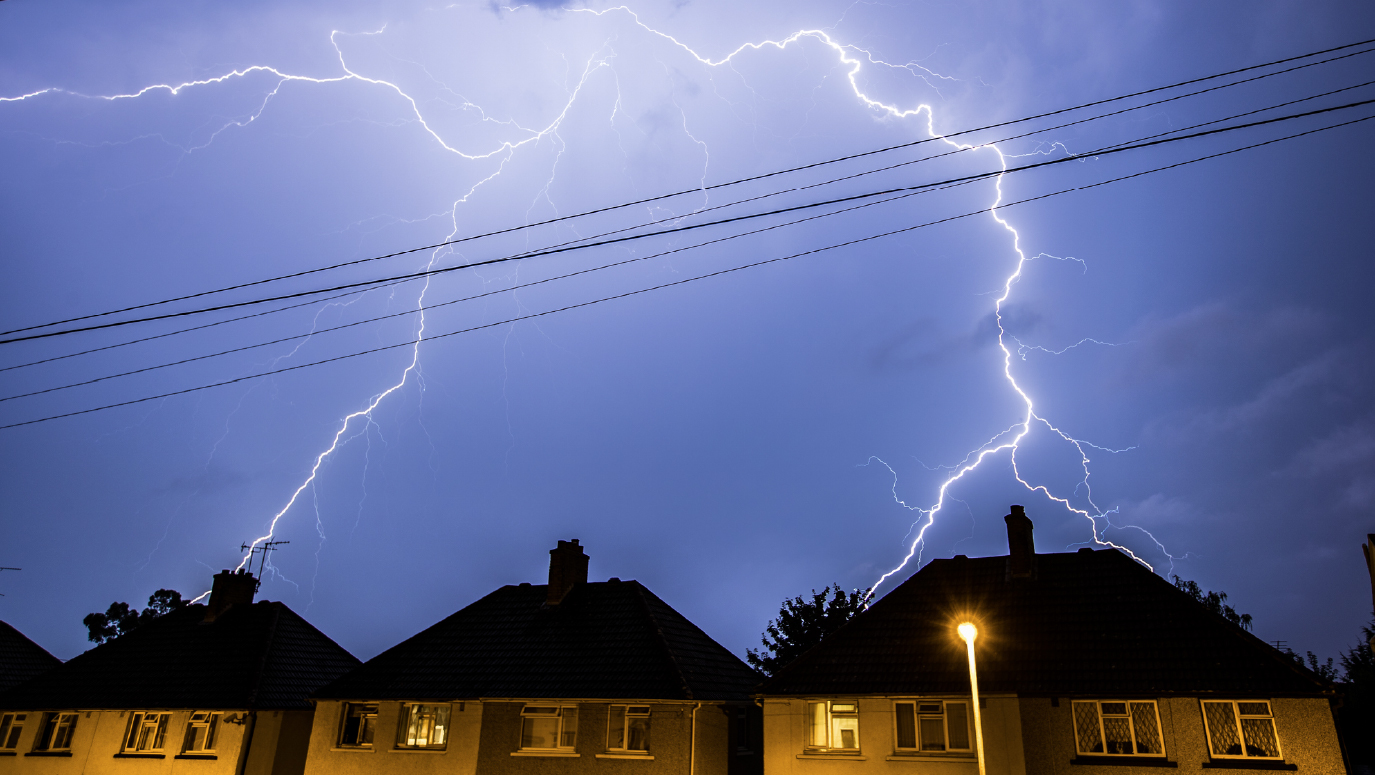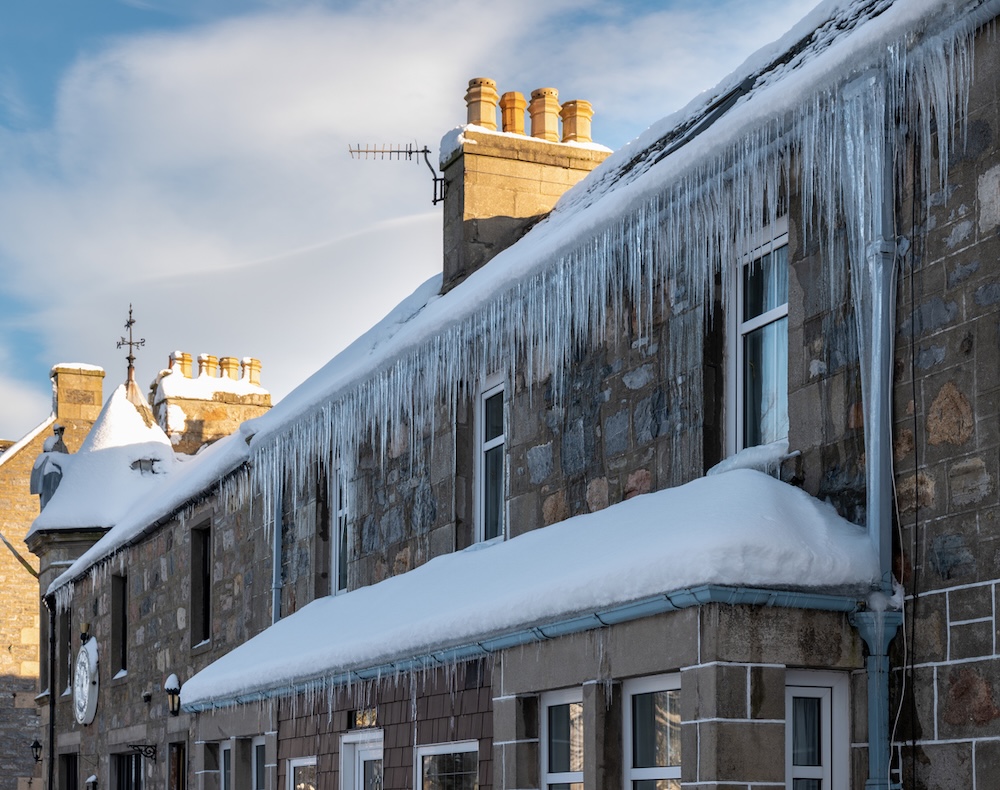
Storms, flooding, freezing temperatures and heatwaves can all cause disruption, damage and unexpected costs. While you can't control the weather, taking a few simple precautions beforehand could help protect your home, your car and the people who matter most.
If severe weather is forecast in your area, acting early can make a big difference.
Jump to section:
Storms and strong winds
Strong winds can damage roofs, fences, sheds and vehicles, while flying debris can create additional hazards.
How to prepare your home
- Secure or store garden furniture, bins, trampolines and other loose outdoor items.
- Close and fasten windows, doors and gates.
- Avoid carrying out roof repairs or other outdoor maintenance during severe weather.
- Make sure torches, batteries and mobile phones are charged in case of a power cut.
Looking after your car
- Park in a garage if you have one available.
- If not, try to avoid parking near trees, scaffolding or structures that could be damaged in high winds.
- Check weather and travel updates before setting off.
- Consider delaying non-essential journeys when severe weather warnings are in place.
Further reading
- Keep your home safe during a storm
- Tips to protect your home against stormy weather
- Protect your car from stormy weather
Flooding
Floodwater can cause significant damage to buildings, belongings and vehicles. It can also be dangerous to anyone travelling on foot or by car.
How to prepare your home
- Move important documents, valuables and electrical items away from ground level.
- Keep up to date with local flood warnings.
- Clear drains and gutters where it's safe to do so.
- Make sure everyone in your household knows what to do if they need to evacuate.
Looking after your car
- Move your vehicle to higher ground if possible.
- Never drive through floodwater.
- Don't attempt to start a vehicle that's been affected by flooding until it has been checked.
Further reading
Cold weather
Snow, ice and freezing temperatures can affect both your property and your ability to travel safely. Preparing in advance can help you avoid some of the most common winter problems.
How to prepare your home
- Keep your heating system in good working order.
- Know where your stopcock is located in case a pipe freezes or bursts.
- Check insulation and draught-proofing before temperatures drop.
- Keep essential supplies at home during periods of severe weather.
Looking after your car
- Check tyre condition and pressure regularly.
- Top up screenwash and coolant levels.
- Make sure your battery is in good condition.
- Allow extra time for journeys and clear all windows, lights and mirrors before driving.
Further reading
- Tips to protect your home in freezing weather
- Quick home maintenance tips
- How to avoid a heating emergency
Heatwaves
Hot weather can affect your wellbeing, place extra strain on vehicles and make homes uncomfortable during prolonged periods of high temperatures.
How to prepare your home
- Keep blinds and curtains closed during the hottest part of the day.
- Open windows when temperatures are lower in the early morning or evening.
- Stay hydrated and check on elderly or vulnerable friends, neighbours and relatives.
- Reduce unnecessary heat from appliances where possible.
Looking after your car
- Check coolant levels before longer journeys.
- Carry water if you're travelling.
- Try to park in shaded areas when available.
- Never leave children, pets or vulnerable people unattended in a vehicle.
If severe weather causes damage
Even with careful preparation, bad weather can sometimes lead to damage or disruption. If it's safe to do so, take photographs of any damage, keep records of affected items and contact your insurer as soon as possible to discuss next steps.
If your home or car has already been affected by severe weather, we're here to help.
You can start a claim online through your Churchill account or claim using the Churchill app.